Keystone Cadmium coatings have excellent lubricity, easy solderability and other properties which are essential for reliable service life for many engineering components. Cadmium will protect steel at small gaps in the coating, therefore slight damage to the coating causes no loss in protection and while Cadmium is subject to corrosion, it is "sacrificing" itself at a predictably slow rate - up to one-fiftieth that of bare steel, less in some severe marine environments.
Keystone Cadmium electroplating is normally specified with minimum local thickness between 5 and 25 micron, depending on the severity of atmosphere. Cadmium has good resistance to rural and marine atmospheres, in alkaline conditions and detergents. The coating has a low coefficient of friction, which reduces the tightening torque required and allows repetitive dismantling. Cadmium corrosion products have small particle volume and are adherent, so valves and delicate mechanisms will not likely to be jammed with debris.
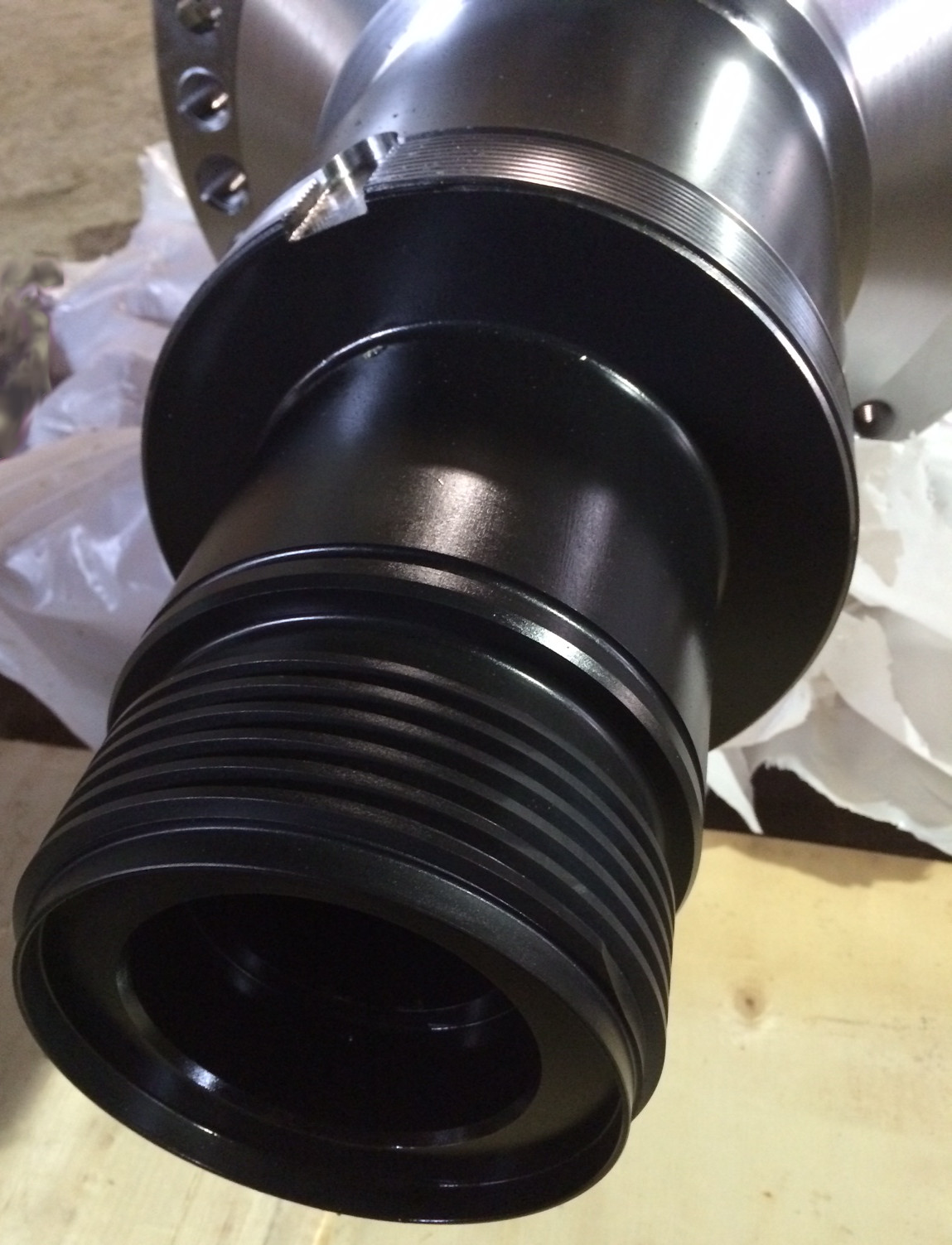
Thin Cadmium coatings are appropriate on threaded components where dimensional tolerances must be maintained. It can easily be soldered without the use of corrosive fluxes and has a lower electrical contact resistance than zinc coated steel. Cadmium plated steel is readily adhesive-bonded.
Keystone offers the following processes for Cadmium Electroplating:
Keystone Cadmium coatings have proved invaluable in countless military and aerospace applications. Some traditional uses of Keystone Cadmium coatings include: